
How to Prepare Your Roof for Hurricane Season in Gainesville
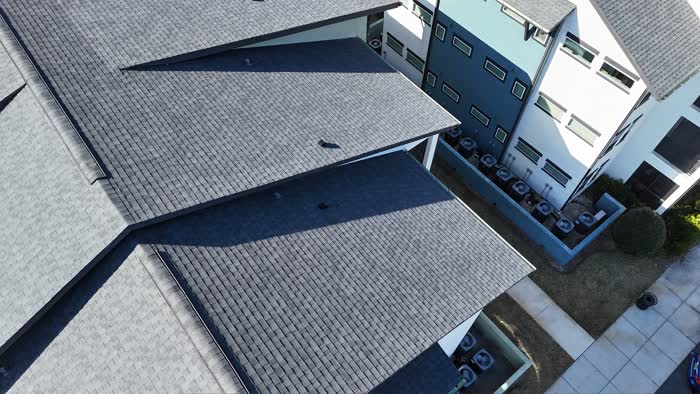

Hurricane Season Is Not a Surprise. Stop Treating It Like One.
Every single year, June 1 rolls around. Every single year, Florida homeowners scramble to figure out if their roof can handle what is coming. And every single year, contractors get slammed with calls the week a tropical storm forms in the Gulf.
If you live in Gainesville or anywhere in North Central Florida, you already know the drill. The humidity climbs, the sky turns that weird shade of green, and you start wondering if that soft spot near your chimney is going to hold up through another season.
Here is the thing: the best time to deal with your roof is right now, while it is dry and calm and you can actually get someone out to look at it. Not when Jim Cantore is standing in your neighbor's yard.
Before Storm Season: The Stuff You Can Actually See from the Ground
You do not need to climb on your roof. In fact, please do not climb on your roof. But there is a lot you can spot just by walking your property with a pair of binoculars and a critical eye.
Here is a quick ground-level checklist:
- Are any shingles curling, cracked, or straight-up missing? Even one or two missing shingles give wind a place to grab hold and start peeling things back.
- Look at your gutters. Are they sagging, pulling away from the fascia, or packed with debris? Clogged gutters during heavy tropical rain cause water to back up under your roofline.
- Check the flashing around your chimney, vents, and any skylights. If you see rust, gaps, or pieces that look bent or lifted, that is where water gets in during wind-driven rain.
- Walk into your attic with a flashlight. Look at the underside of the roof deck. Water stains, dark spots, soft wood, or daylight peeking through are all problems you want to find now, not during a Cat 2.
- Look at the trees around your house. Dead branches, limbs hanging over the roof, or trees leaning toward the structure are a direct threat. One good gust and that branch becomes a battering ram.
If everything looks solid from the ground, great. But a ground-level look only tells part of the story. You cannot see what is happening with your underlayment, your fasteners, or the condition of your roof deck from the sidewalk.
Get a Professional Inspection Before June 1
This is not a sales pitch. This is the part where most homeowners cut corners, and it costs them thousands later.
A licensed roofing contractor can catch things you will never see from the ground. Lifted shingle tabs that are not visible from below. Deteriorated underlayment that has dried out under the Florida sun. Fasteners that no longer meet current wind code. Soft spots in the decking that mean moisture has already been working its way in.
The Florida Building Code has specific wind-resistance requirements for roofing materials, and those requirements got stricter in 2026. If your roof was installed 10 or 15 years ago, it may have been built to an older standard. That does not mean it is bad. It means someone qualified should confirm it can still do its job.
Schedule your inspection in March or April. By May, every roofer in Alachua County is booked solid. By June, you are on a waiting list.
During the Storm: What to Do (and What Not to Do)
Once a hurricane or tropical storm is actually happening, your job is simple: stay inside and stay safe. Your roof can be fixed. You cannot.
A few things worth knowing:
- If you hear banging or see a piece of your roof material fly off, do not go outside to inspect it. That sounds obvious, but people do it every single storm.
- If you notice water coming in through the ceiling, move your belongings away from the area and put down buckets or towels. Mark the spot so you remember where the leak started. Take photos or video with timestamps.
- Close all interior doors. If a window or door breach lets wind into the house, open interior doors allow pressure to build against the roof structure from the inside. Closing them helps contain that pressure.
- Do not open windows to "equalize pressure." That is an old myth. It makes things worse.
After the Storm: What to Look For
Once the wind dies down and it is safe to go outside, walk your property again. Same idea as before, just with different eyes. You are looking for what changed.
On the outside:
- Missing or displaced shingles or tiles
- Dents or punctures from fallen branches or flying debris
- Flashing that has been lifted or torn away
- Gutters ripped off or bent
- Soffits and fascia that are cracked, hanging, or waterlogged
- Standing water pooling in areas it did not pool before
On the inside:
- New water stains on ceilings or walls
- Dripping or wet insulation in the attic
- A musty smell that was not there before the storm
- Bubbling or peeling paint on upper-level ceilings
Document everything. Take photos of every piece of damage you can find, inside and out. Date-stamp them. Write down what happened and when. This is not busywork. This is the single most important thing you can do to protect your insurance claim. If you documented your roof before storm season (and you should have), those "before" photos become gold when your adjuster shows up.
When to Call a Roofer
Call as soon as possible after the storm passes. Not because you need to panic, but because the line gets long fast.
If you have active water intrusion (meaning rain is getting inside your house), that is an emergency. A reputable roofer can get a tarp up to stop further damage until a full repair can be scheduled. True Force Roofing has crews available 24/7 for exactly this kind of situation.
If the damage appears cosmetic or minor, you still want someone out within a week or two. Small problems after a hurricane have a way of becoming expensive problems after the next heavy rain.
One thing to keep in mind: not all damage is visible right away. Some issues, like compromised underlayment or loosened fasteners, only show themselves weeks or months later when the next round of storms rolls through. A post-storm inspection by a licensed contractor is worth every penny.
The Part Nobody Wants to Talk About: Roofing Scammers
This is the section that matters most, so pay attention.
Within 48 hours of any major storm in Florida, trucks with out-of-state plates start rolling through neighborhoods. Strangers knock on your door. They are friendly. They say they are "doing work in the area" and noticed your roof looks damaged. They offer a free inspection. They tell you they can handle everything with your insurance company.
Some of these people are legitimate contractors from other regions helping with storm response. But a lot of them are not. And telling the difference is harder than you think when you are stressed, your ceiling is leaking, and someone is standing on your porch offering to fix it.
Here is how the scam usually works:
The contractor climbs on your roof, "finds" damage (sometimes real, sometimes manufactured with tools like ball-peen hammers), and offers to file your insurance claim for you. They ask you to sign something called an Assignment of Benefits, or AOB. That document hands control of your insurance claim over to them. You lose the ability to approve costs, negotiate with your insurer, or even see what is being billed.
From there, one of a few things happens: they inflate the claim, pocket the difference, and do low-quality work. Or they collect payment and disappear entirely. Or the insurance company disputes the inflated claim, denies it, and now you are stuck with no coverage and a damaged roof.
Under Florida Statute 817.234, it is illegal for a contractor to waive, absorb, or rebate any portion of your insurance deductible. If someone offers you a "free roof" or says "we will cover your deductible," that is not a deal. That is fraud. And when the insurance company finds out, it is the homeowner who faces consequences: denied claims, canceled policies, or worse.
Red flags to watch for:
- Door-to-door solicitation right after a storm, especially from companies you have never heard of
- Pressure to sign a contract on the spot or "today only" pricing
- Asking for a large deposit upfront (50% or more before any work starts)
- Offering to handle your entire insurance claim for you
- Refusing to provide a Florida roofing license number, proof of insurance, or a physical business address
- Out-of-state plates on their trucks
- Vague or incomplete contracts with blank spaces
How to Protect Yourself
Work with a local roofer you can verify. True Force Roofing is licensed in the State of Florida (License #CCC1335679), insured, and headquartered right here in Gainesville at 2420 NW 66th Court. We have been here before the storm and we will be here after it.
A few practical steps that go a long way:
- Call your insurance company first. Before any contractor touches your roof, report the damage to your insurer. Let them send an adjuster. Get their assessment in writing.
- Never sign an AOB. Keep control of your own claim. You can hire a roofer to do the work without handing over your insurance rights.
- Verify every contractor. Look them up on the Florida DBPR website at myfloridalicense.com. Check their license, their insurance, and their complaint history.
- Get multiple written estimates. A real contractor will put everything in writing: scope of work, materials, timeline, cost. If someone will not give you a detailed written estimate, walk away.
- Do not pay in full upfront. A reasonable deposit is normal. Paying everything before work begins is not.
The Bottom Line
Living in Gainesville means living with hurricane season. That is just part of the deal. But it does not have to mean living in fear of it.
A roof that is inspected, maintained, and built to current Florida standards will handle a storm. The homeowners who get hurt are the ones who skip the inspection, ignore the warning signs, and then make bad decisions under pressure when a scammer shows up at the door.
Do the inspection now. Trim the trees. Clean the gutters. Take photos. Know your insurance policy. And have a roofer you trust on speed dial before you need one.
If you want a straight answer about where your roof stands heading into this hurricane season, call us at (352) 639-7663 or schedule your estimate online. We will tell you what we see, good or bad.


