Roof Types & Materials for Florida Homes
.svg)
What Florida Asks of a Roof
A roof in North Central Florida works harder than almost anywhere in the country: months of daily thunderstorms, brutal UV, hurricane season every year, and insurance carriers that price your premium partly on what is over your head. That is why the best roof type in Florida is a different answer than it would be in Ohio, and why the material decision deserves twenty minutes of honest reading before anyone quotes you anything.
The Roof Types Florida Homes Actually Use
Architectural shingles
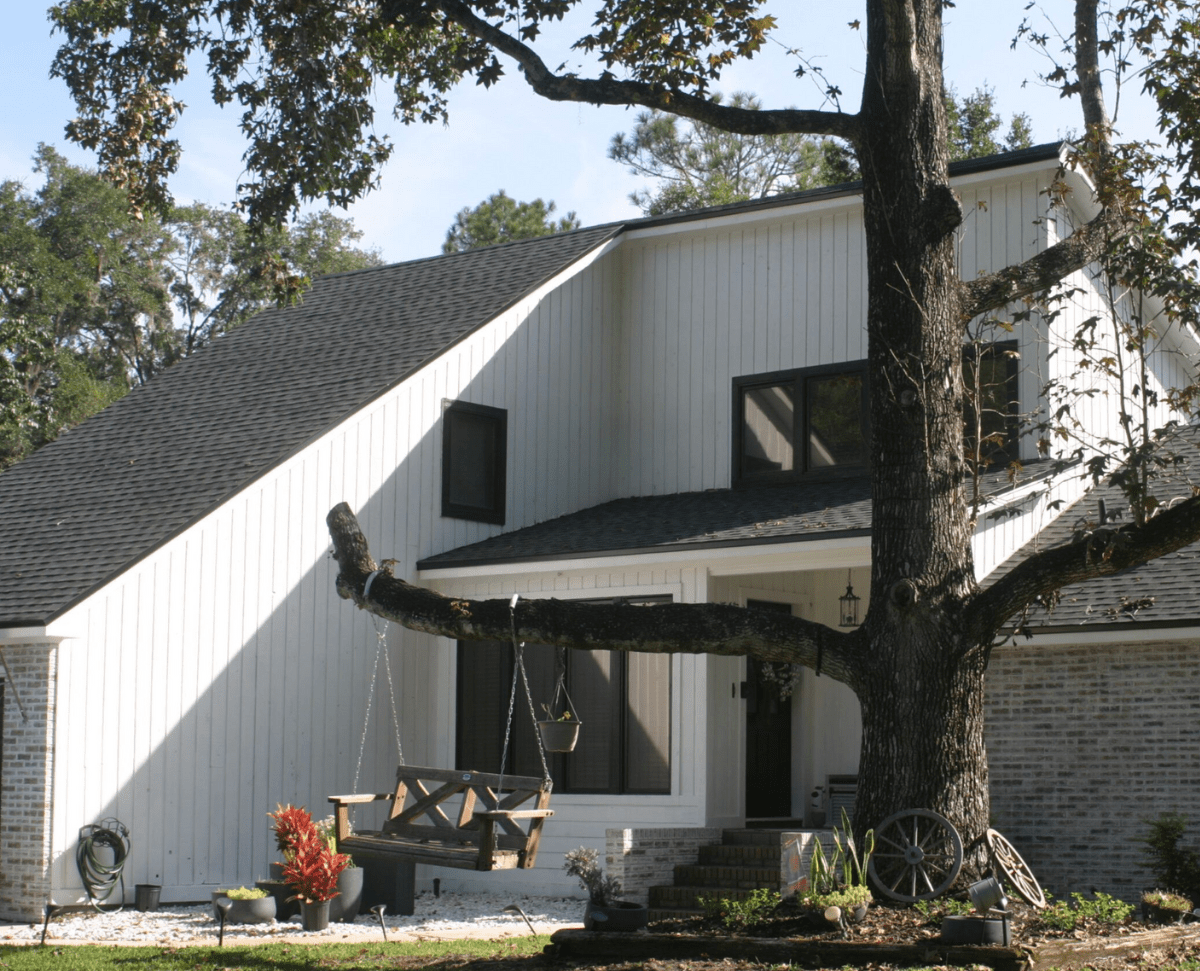
The most common roof in Gainesville for good reason: strong wind ratings, a wide color range, and the best upfront value. If you are searching for the best roofing shingles for Florida, the practical answer is an architectural (dimensional) shingle from a major manufacturer, installed to current Florida code nailing patterns. We install GAF systems including Timberline HDZ, and as a GAF Master Elite contractor we can register GAF's strongest warranties on qualifying installs.
Metal
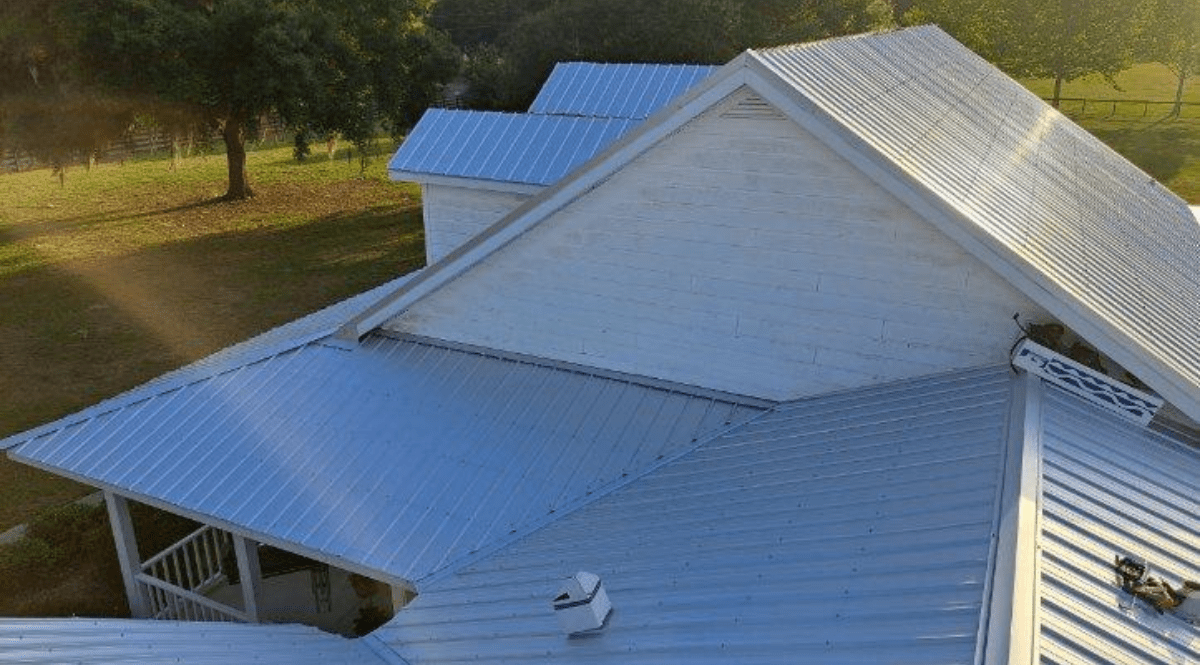
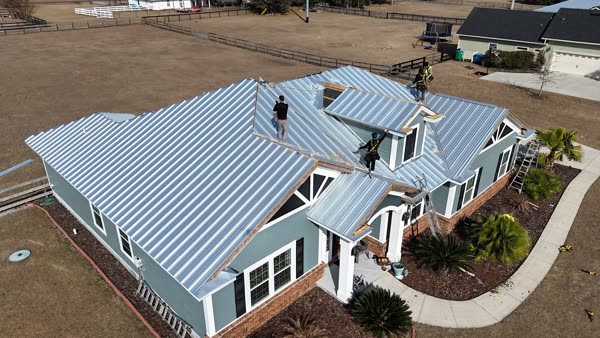
Standing seam, 5V, and stone-coated steel, with 40 to 70 year service lives and the best wind performance on the market. Metal roofing in Gainesville costs more up front and usually wins on cost per year of protection, which is why so many Florida homes switch to it at replacement time.
Tile
Concrete and clay tile carry 50+ year lifespans and a look nothing else matches, with weight and structural requirements that not every home is framed for. We evaluate the structure before quoting tile, not after.
Flat and low-slope
Do flat roofs work in Florida? Yes, when they are built as real low-slope systems: modified bitumen, TPO, or PVC membranes with correct drainage, not shingles laid flat. Porches, additions, and mid-century homes across Gainesville carry low-slope sections, and those sections are often the first part of a roof to fail when they were built with the wrong material.

How to Choose, Honestly
Four questions settle most roof decisions faster than any brochure:
- How long will you own the home? Under ten years favors shingle economics; decades favor metal or tile.
- What does your insurer reward? Wind-rated systems and documented installation earn wind mitigation credits in Florida, and sometimes the premium math changes the material answer.
- What does the structure allow? Tile weight and low-slope sections both constrain the menu before taste gets a vote.
- What does the neighborhood expect? HOAs and resale both care. Stone-coated steel exists precisely for streets where exposed metal panels will not fly.
This is the conversation we have at the kitchen table with samples in hand, and it is the backbone of residential roofing in Gainesville done right. Bring us a complicated roof; we like those.
Florida Roof Questions, Answered
What is the best roof shingle for a Florida home?
An architectural shingle with a high wind rating, installed to current Florida Building Code with the manufacturer's Florida nailing pattern. The install matters as much as the shingle: the same product fails early when it is nailed wrong, which is why manufacturer certifications and documented installation are worth asking about.
What are architectural shingles?
Thicker, layered shingles, also called dimensional shingles, that replaced flat 3-tab as the standard. They resist wind better, last longer, and give the roof depth and shadow lines instead of a flat grid.
Do flat roofs work in Florida?
Yes, with the right membrane and honest slope to drain. Florida rain punishes ponding, so low-slope sections need real low-slope systems rather than leftover shingles. Most flat roof problems we see are the wrong material doing its best.
How does hail damage show up on shingles?
As soft bruises, knocked-off granules, and exposed black mat, often easier to feel than to see from the ground. If a storm dropped hail on your neighborhood, get the roof documented promptly: insurance claims turn on dated photo evidence.
.svg)



.jpg)